How to Lose Weight: A Complete Guide for Healthy Weight Loss
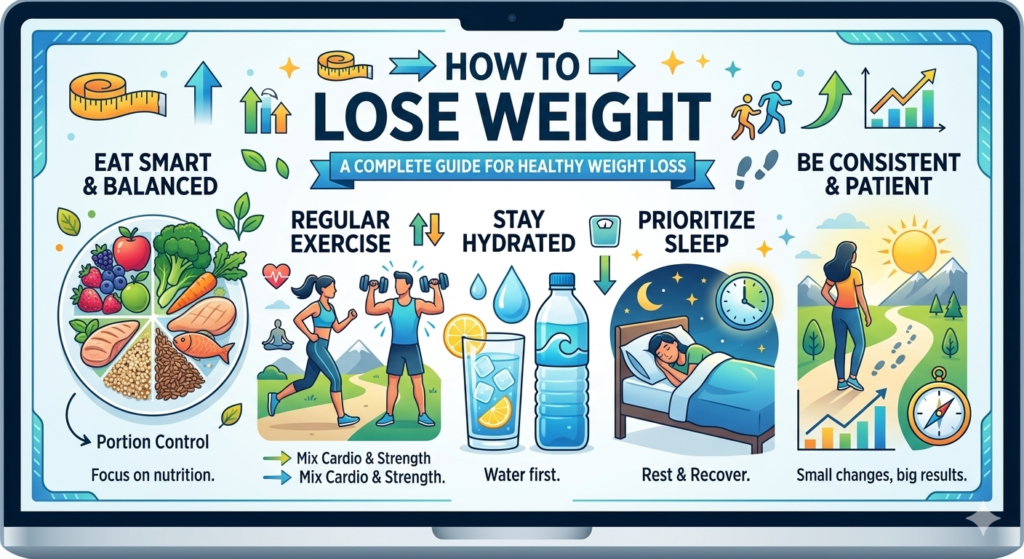
Losing weight is one of the most common health goals for many people around the world. However, achieving sustainable weight loss requires the right combination of diet, exercise, and healthy lifestyle habits.
If you are wondering how to lose weight effectively, it is important to focus on long-term habits instead of quick fixes. Healthy weight loss not only improves physical appearance but also reduces the risk of several health problems such as heart disease, diabetes, and high blood pressure.
In this guide, we will explore simple and effective strategies that can help you lose weight naturally.
Why Healthy Weight Loss is Important
Healthy weight loss focuses on reducing body fat while maintaining overall health. Rapid weight loss methods or crash diets may lead to temporary results but can harm your metabolism and overall wellbeing.
Benefits of healthy weight loss include:
- Improved energy levels
- Better heart health
- Reduced risk of chronic diseases
- Improved confidence and mental health
Developing healthy habits can help maintain weight loss in the long term.
10 Effective Tips to Lose Weight
1. Follow a Balanced Diet
A balanced diet plays a crucial role in weight loss. Include foods rich in nutrients such as vegetables, fruits, whole grains, and lean protein.
Avoid excessive consumption of processed foods and high-calorie snacks.
2. Exercise Regularly
Physical activity helps burn calories and improves metabolism. Regular exercise combined with a healthy diet can significantly support weight loss.
Aim for at least 30–45 minutes of exercise daily.
3. Drink More Water
Drinking water before meals can help control appetite and reduce calorie intake. Staying hydrated also improves digestion and metabolism.
4. Reduce Sugar Intake
Foods high in sugar can contribute to weight gain. Try to limit sugary drinks, desserts, and processed foods.
5. Get Enough Sleep
Sleep plays an important role in maintaining a healthy weight. Lack of sleep can increase hunger hormones and lead to overeating.
Aim for 7–8 hours of sleep every night.
6. Control Portion Sizes
Even healthy foods can cause weight gain if eaten in large quantities. Managing portion sizes can help control calorie intake.
7. Eat More Protein
Protein helps keep you full for longer periods and reduces cravings. Good protein sources include eggs, chicken, fish, beans, and yogurt.
8. Avoid Processed Foods
Processed foods often contain unhealthy fats, added sugar, and high calories. Replacing processed foods with whole foods can support weight loss.
9. Stay Consistent
Consistency is the key to successful weight loss. Developing sustainable habits will help you maintain your progress over time.
10. Manage Stress
Stress can lead to emotional eating and weight gain. Practicing activities like meditation, yoga, or deep breathing can help manage stress levels.
Best Exercises for Weight Loss
Some exercises are particularly effective for burning calories and improving overall fitness.
Popular weight loss exercises include:
- Walking
- Running
- Cycling
- Swimming
- Strength training
- Yoga
Combining cardio exercises with strength training can improve metabolism and accelerate weight loss.
Conclusion
Learning how to lose weight requires patience, discipline, and healthy lifestyle changes. Instead of focusing on quick results, aim to develop long-term habits that support your overall health.
By following a balanced diet, exercising regularly, staying hydrated, and maintaining consistency, you can achieve sustainable weight loss and improve your quality of life.